


You’re typing an email and stop mid-sentence. Is it harass or haras? That small doubt slows everyone down. Good news: the answer is quick. The correct spelling is harass, with one R and two S’s. Spellcheck might catch it, but not always. Autocorrect can even turn a typo into a different word.
This guide on Harass vs Haras clears up the confusion fast. You’ll see what each word means, why people mix them up, and how to fix common slips. Whether you write for school, work, or social media, this quick read has you covered. No jargon, promise. Let’s get started.
Quick Answer
The correct spelling is harass. It has one R and two S’s, written H-A-R-A-S-S.
Haras isn’t the standard English spelling of this verb. If you mean to repeatedly bother someone, write harass every time.
So is haras a real word? Yes, but only in a narrow sense. We’ll get to that below.
Correct Examples
Here are sentences that use the correct spelling of harass:
- Please don’t harass the new intern about her schedule.
- The company bans anyone who harasses customers online.
- She reported the harassment to her manager on Monday.
Incorrect Examples
These show the incorrect spelling haras and other common spelling errors:
- Please don’t ~~haras~~ the new intern. (Fix: harass)
- He ~~harrassed~~ his classmates. (Fix: harassed)
- She filed a ~~harrasment~~ complaint. (Fix: harassment)
Why People Confuse Harass And Haras
Double letters trip people up. Harass has two S’s but only one R, and that pattern feels odd. Many writers guess, and a letter slips out.
Sound plays a part too. The pronunciation of harass can be huh-RASS or HAIR-us, and the second version hides the double S. You hear one thing, then write another.
Then there’s the French and Spanish link. Haras is a real word in those languages, so people see it online and wonder. Add autocorrect to the mix, and spelling confusion grows.
Key Differences At A Glance
Here’s the harass vs haras gap in about ten seconds.
| Feature | Harass | Haras |
| Spelling | H-A-R-A-S-S | H-A-R-A-S |
| Word type | Verb | Rare noun |
| Core idea | Repeated unwanted behavior | Stud farm |
| Common setting | Work, school, legal texts | Horse breeding names |
| Safe in formal writing | Yes | Only in names or quotes |
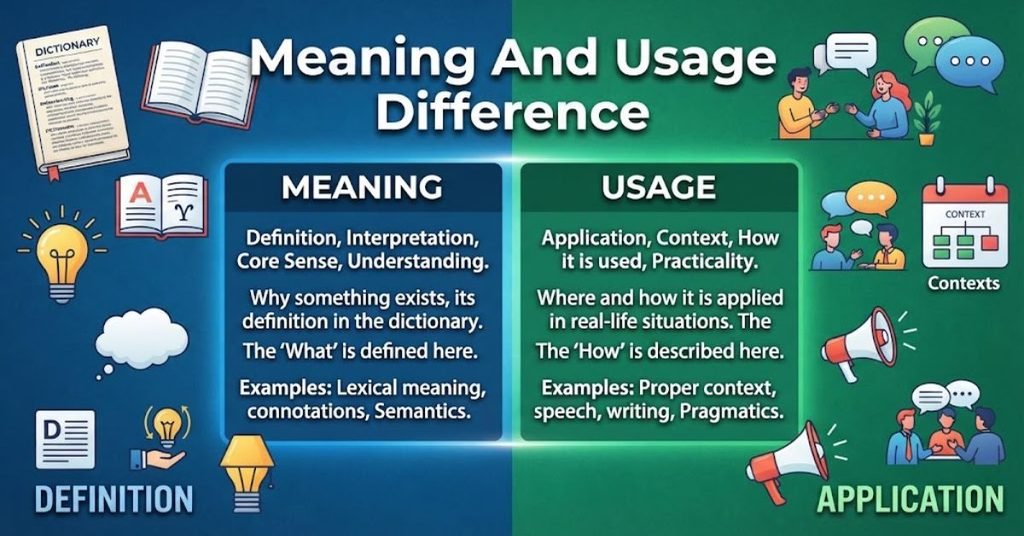
Meaning And Usage Difference
Harass
Harass is a verb. It means to repeatedly bother or trouble someone with unwanted behavior. Think persistent pressure aimed at one person.
The harass meaning can include intimidating someone, hounding them, or making them feel unsafe. Most dictionaries describe it as annoying someone persistently or creating a hostile situation. That’s the harass definition you’ll see in school and work rules.
Haras
Haras is a rare noun. It means a horse-breeding establishment, also called a stud farm. You’ll spot it in French, in Spanish, and in the names of famous breeding farms.
The haras meaning has nothing to do with bothering people. In American English, it appears only in specialized usage, such as a horse breeding context or a proper name. Most haras noun meaning searches lead there.
Feature Comparison
Here’s how the two words behave in real writing.
| Feature | Harass | Haras |
| Typical subjects | People, coworkers, customers | Horses, breeders, farms |
| Related forms | Harassment, harassing, harassed | Proper names like Haras du Pin |
| Fits everyday English | Yes | No |
| Dictionary status | Standard entry | Rare or absent in English lists |
Think of it this way. One word describes behavior, and the other describes a place.
Tone, Context, And Formality
Harass is a serious word. It carries weight in workplace policies, school policies, legal discussions, and government guidance.
It fits formal writing, professional writing, and academic writing with no trouble. In everyday writing, people save it for real misconduct, not small gripes.
Haras has no place in those documents unless you’re naming a farm or quoting French. A typo like that in human resources documents makes a policy look sloppy. Readers lose trust fast.
| You May Also Like: |
| Chief vs Cheif: Correct Spelling and Meaning Revealed 2026 |
| Steer vs Stear: Common Spelling Mistake Explained 2026 |
| Business vs Bussiness: Which Spelling Is Right in 2026? |
Which One Should You Use?
Use harass. It’s the standard English spelling for the verb, and readers expect it.
Pick haras only when you mean a stud farm. Add a short explanation, so readers don’t stumble.
Here’s a quick test. Are you describing someone who keeps bothering another person? If yes, write harass.
When One Choice Sounds Wrong
Writing haras for a bothering situation reads like a typo. Readers pause and start doubting your attention to detail.
The reverse also fails. Say you’re writing about Haras du Pin, the famous French national stud. Changing it to harass would turn a horse farm into something else.
Names keep their original spelling. Everything else follows harass standard English.
Common Mistakes And Quick Fixes
Mistake 1: Dropping The Final S
This is the top slip. Writers type haras when they mean harass. It’s a classic case of dropping the final S.
The fix is easy. Add a second S after the first one. Say it slowly: har-ass.
Mistake 2: Adding An Extra R
Some writers type harrass or harrasment. They copy words like embarrass, which creates an extra R in harass.
Remember that harass has one R in the middle. The double R belongs to embarrass.
Mistake 3: Confusing Harass And Harassment
Harass vs harassment is verb versus noun. You harass someone, and the act is harassment.
For example, he harassed his coworkers, so HR opened a harassment complaint. Both words keep the double S.
Mistake 4: Using Harass For Minor Irritations
Harass is stronger than annoy. A friend who texts twice about dinner isn’t harassing you.
Save it for repeated unwanted behavior, especially when it feels like pressure. For lighter cases, pick pester or bother.
Easy Ways To Remember The Harass Spelling
Try the one R two S’s chant. Say it out loud while you write H-A-R-A-S-S. It sticks after three tries.
Compare it with embarrass, which has two R’s and two S’s. Harass drops one R. That contrast cleans up the common spelling mistake for good.
You can also type the word three times on a sticky note. It sounds silly, but it works. Muscle memory beats guessing.
Harass Vs Similar Words
Harass Vs Annoy
Annoy is mild and often happens once. Harass needs repetition and unwanted conduct.
A buzzing fly annoys you. A coworker who keeps cornering you about a date harasses you. That’s the annoyance vs harassment line.
Harass Vs Bother
Bother sits in the middle. It can mean a small interruption or a steady nuisance.
Use bother for everyday trouble. Choose harass when you see persistent bothering with real pressure behind it.
Harass Vs Bully
Bully points to power and intimidation, often among kids or peers. Harass can include bullying-like conduct, but it isn’t limited to it.
In the bullying vs harassment debate, bullying centers on dominance. Harassment centers on unwelcome, repeated behavior. In workplace law, it often links to protected traits, but rules vary by place.
Harass In Workplace, School, And Online Settings
Workplace harassment covers things like harassing coworkers with unwelcome comments or messages. Many companies list it in their conduct rules. If you manage a team, learn your own policy.
Schools use the word too, especially for harassing classmates in hallways or group chats. Online harassment adds another layer, since it can happen at any hour. Most social media rules ban it.
Customers can be targets as well. Harassing customers by chasing them with calls or messages crosses a line. If something feels wrong, file a harassment complaint and keep your records.
Everyday Examples
Here’s how harass shows up in normal life:
- My neighbor keeps texting me about the fence, and it’s starting to feel like he’s trying to harass me.
- The caller harassed her with ten messages in one hour.
- Nobody should harass a coworker because of how they look.
- The app now blocks users who harass others in comments.
- He harasses the barista every morning about the order.
- Stop harassing me about the deadline, I’ll send it today.
Dictionary-Style Word Details
Verb
Harass is a verb with four forms: harass, harasses, harassed, and harassing. That’s the verb form of harass.
You’ll use it in a sentence like this: they tried to harass him into quitting. Harass usage stays the same in American and British English, and the spelling doesn’t change.
Noun
Harass has no noun of its own. The noun form of harass is harassment.
Haras, by contrast, is a noun all by itself. It’s a rare dictionary meaning tied to horse farms.
Synonyms
Looking for words similar to harass? Try these:
- Pester
- Badger
- Hound
- Torment
- Hassle
- Bother
- Intimidate
- Pressure
Strength varies. Pester is light, while torment is heavy. Pick the one that fits the situation.
Example Sentences
- She harassed the vendor until he changed the price.
- Don’t harass people in the comment section.
- He felt harassed by the constant calls.
- The farm, known as a haras, breeds racehorses.
Word History
Harass comes from the French word harasser. It likely traces back to an old call used to urge dogs on during a hunt. The word entered English in the 1600s.
Haras also comes from French, and the roots are debated. Some word experts link it to the Arabic word for horse. In Argentina and Uruguay, you’ll still see haras on horse-breeding farms.
Phrases Containing
- Harass someone
- Sexual harassment
- Workplace harassment
- Harassment policy
- Harassing phone calls
- Haras du Pin (a French national stud)
Frequently Asked Questions
Is harass or haras correct?
Harass is correct. In the Harass vs Haras question, haras is only a rare borrowed noun for a horse breeding farm.
Is haras a real word?
Yes, but not in everyday English. In Harass vs Haras, haras means a stud farm in French and Spanish.
How do you spell harass correctly?
Spell it H-A-R-A-S-S, with one R and two S’s. That is the rule in the Harass vs Haras debate.
What is the noun form of harass?
The noun form is harassment, as in a harassment complaint. Harass vs Haras only matters for the verb.
Can harass be used in formal writing?
Yes, harass is standard in formal and legal writing. Harass vs Haras is simple: use harass in policies, emails, and essays.
What is another word for harass?
Pester, badger, hound, and torment work well. Skip the Harass vs Haras worry by picking one of these instead.
Conclusion
The Harass vs Haras question has a clear winner. Harass is the correct spelling, with one R and two S’s. Haras is a rare noun tied to horse breeding, not to bothering people. When you compare harass vs haras, only one fits everyday English. That’s the whole story in a nutshell. Spelling it right shows care, especially in work emails, school papers, and policy documents.
Keep the memory tricks handy. Say one R two S’s, and don’t copy embarrass, which has two R’s. Remember that harassment is the noun and haras is a stud farm. Next time harass or haras pops into your head, you’ll know the answer in seconds. Did this clear up Harass vs Haras for you? Share it with a friend who keeps mixing them up, and drop your questions in the comments. Bookmark this page for a quick check later.


1 thought on “Harass vs Haras: Which Spelling Is Correct?”